Docs
Author:
Catherine An
Changed on:
11 May 2026
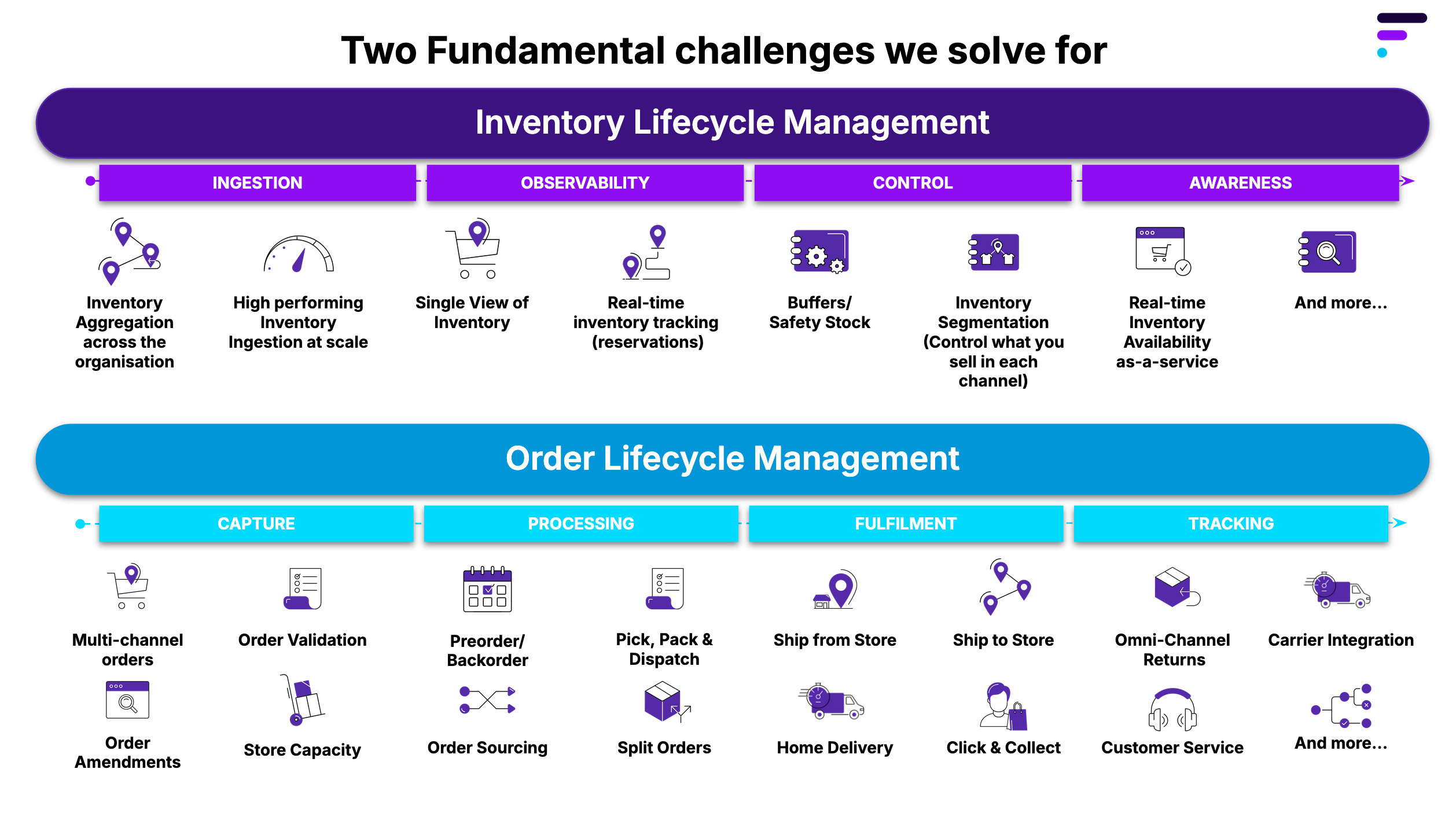
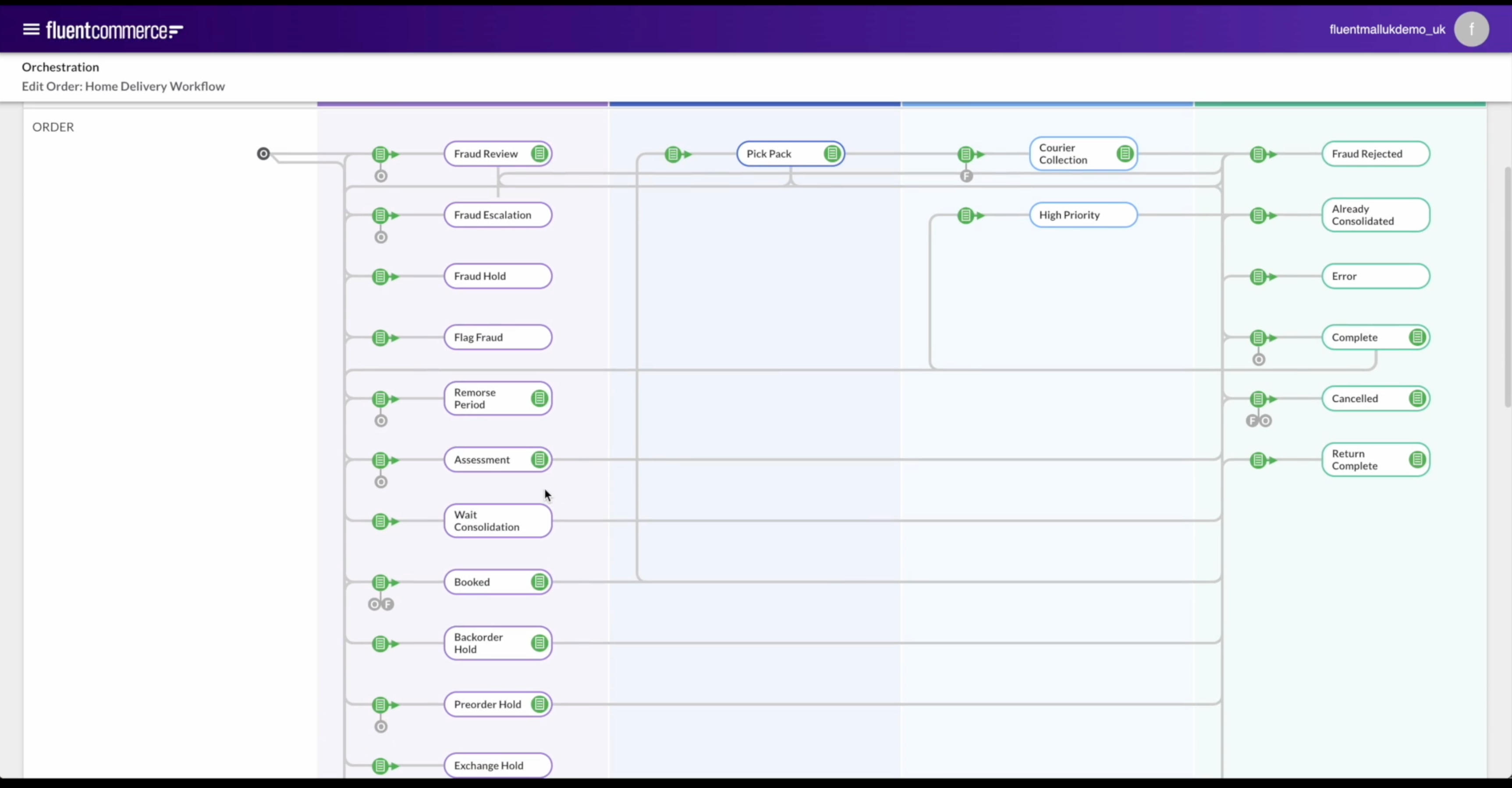
 If conditions change, including inventory availability or routing constraints, the orchestration engine recalculates decisions during the lifecycle. This allows fulfillment to continue without restarting the process. This dynamic architecture drives 3 core capabilities: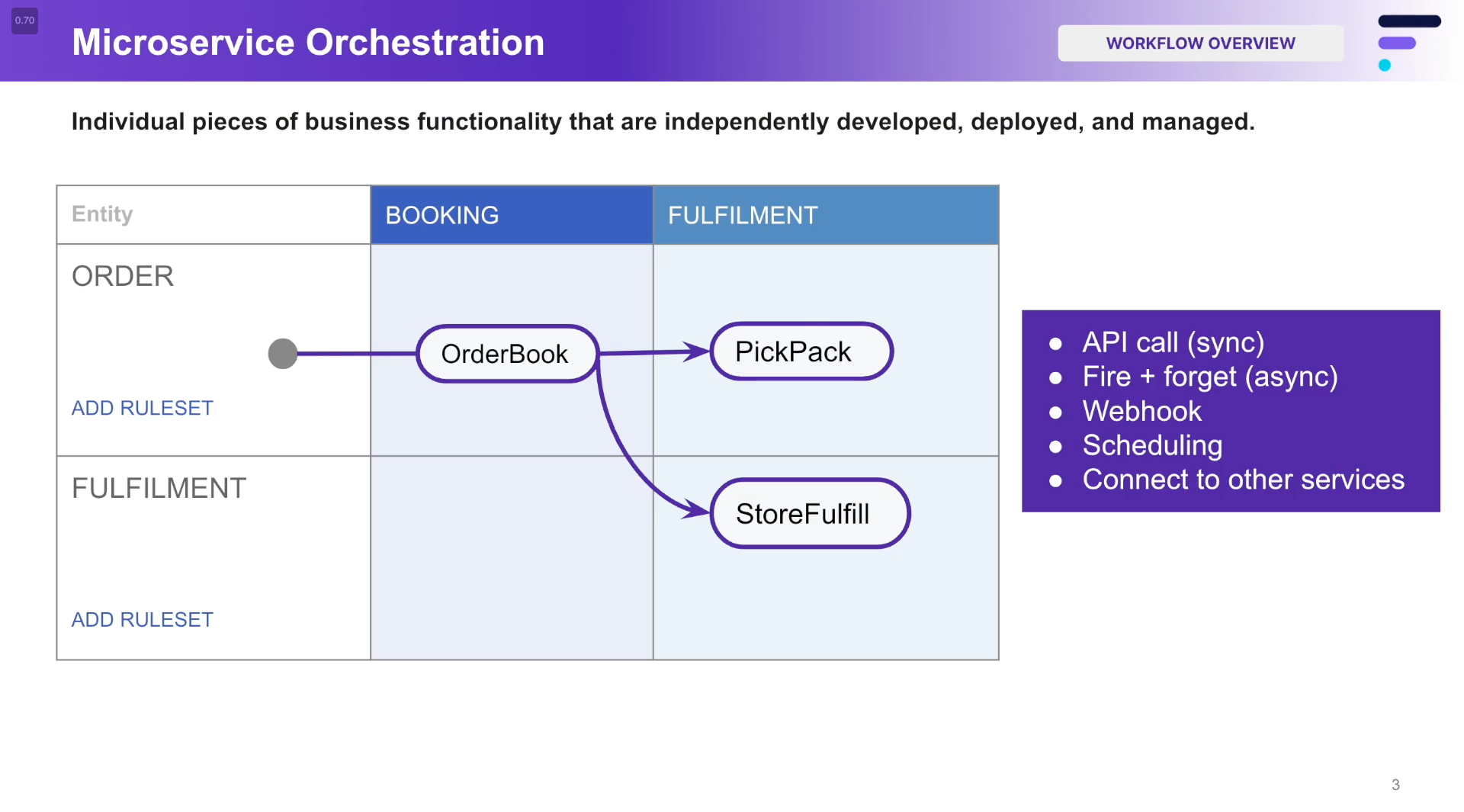
 Fluent Commerce supports multiple catalogues aligned to different sales channels. Control groups allow inventory buffers and location exclusions to be applied where needed. This approach balances sales exposure with availability protection.Inventory, locations, and customer orders are linked to create a reliable source of truth for availability across channels. This capability is commonly described as the availability layer that prevents overselling and unlocks trapped stock.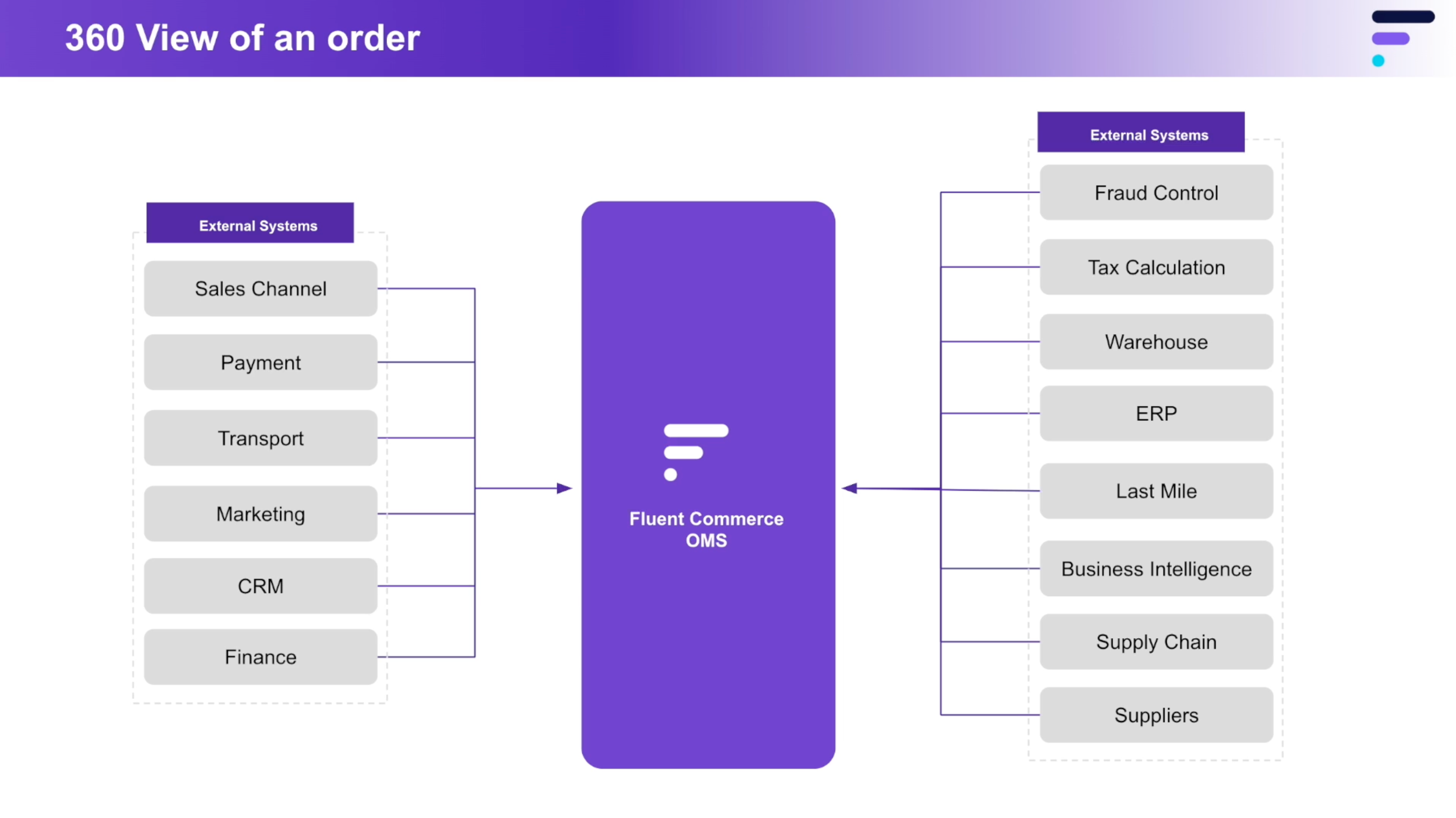
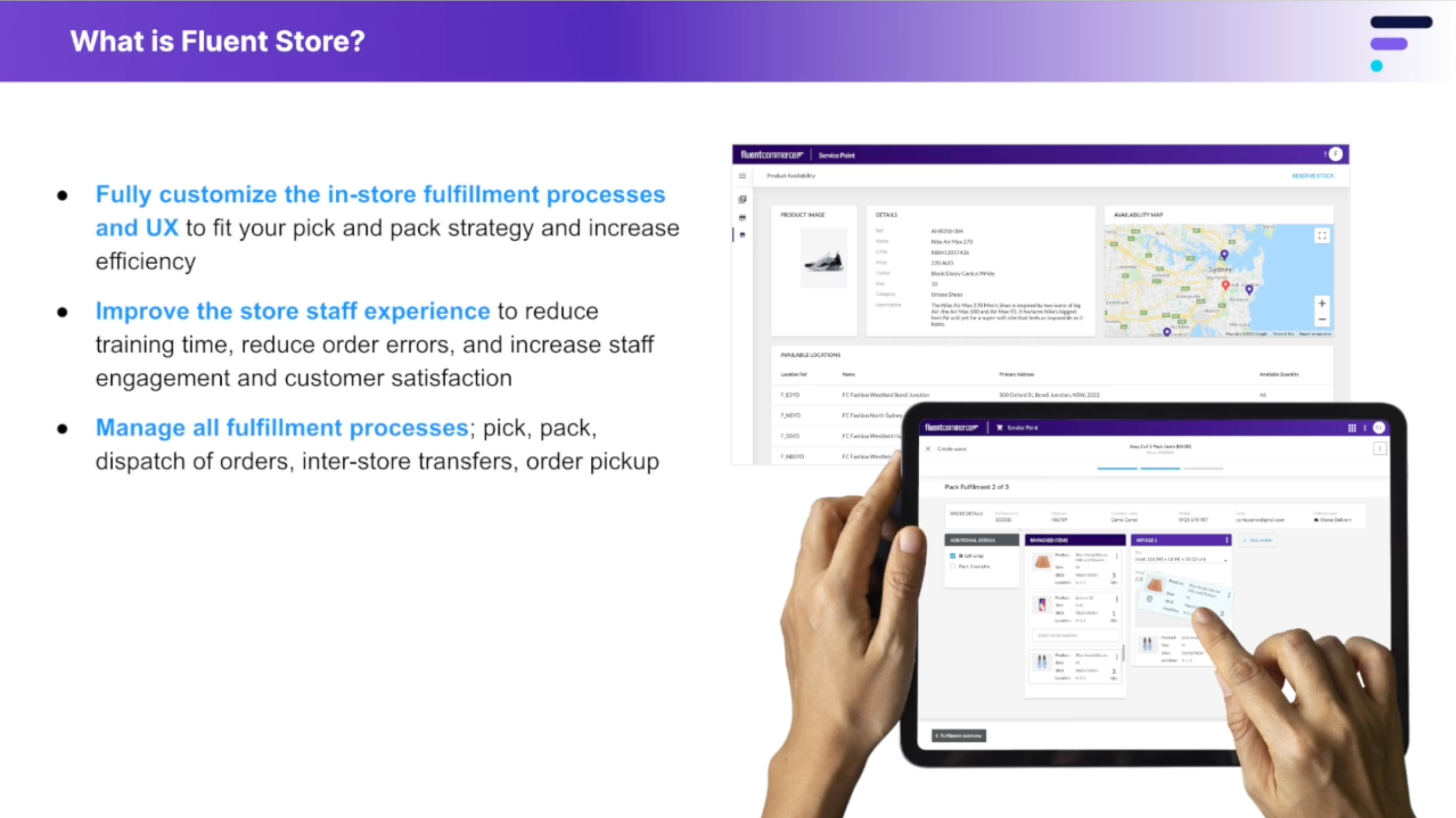
 Orders are created via API and include a customer selected store. Store staff use the Fluent Store application to manage pick waves, locate items, pack orders, and move them to a holding area.Once packing is complete, customers are notified that the order is ready for collection. A verification step is completed at pickup before the order status updates to indicate completion.This capability is often positioned as the in store execution layer for omnichannel fulfillment.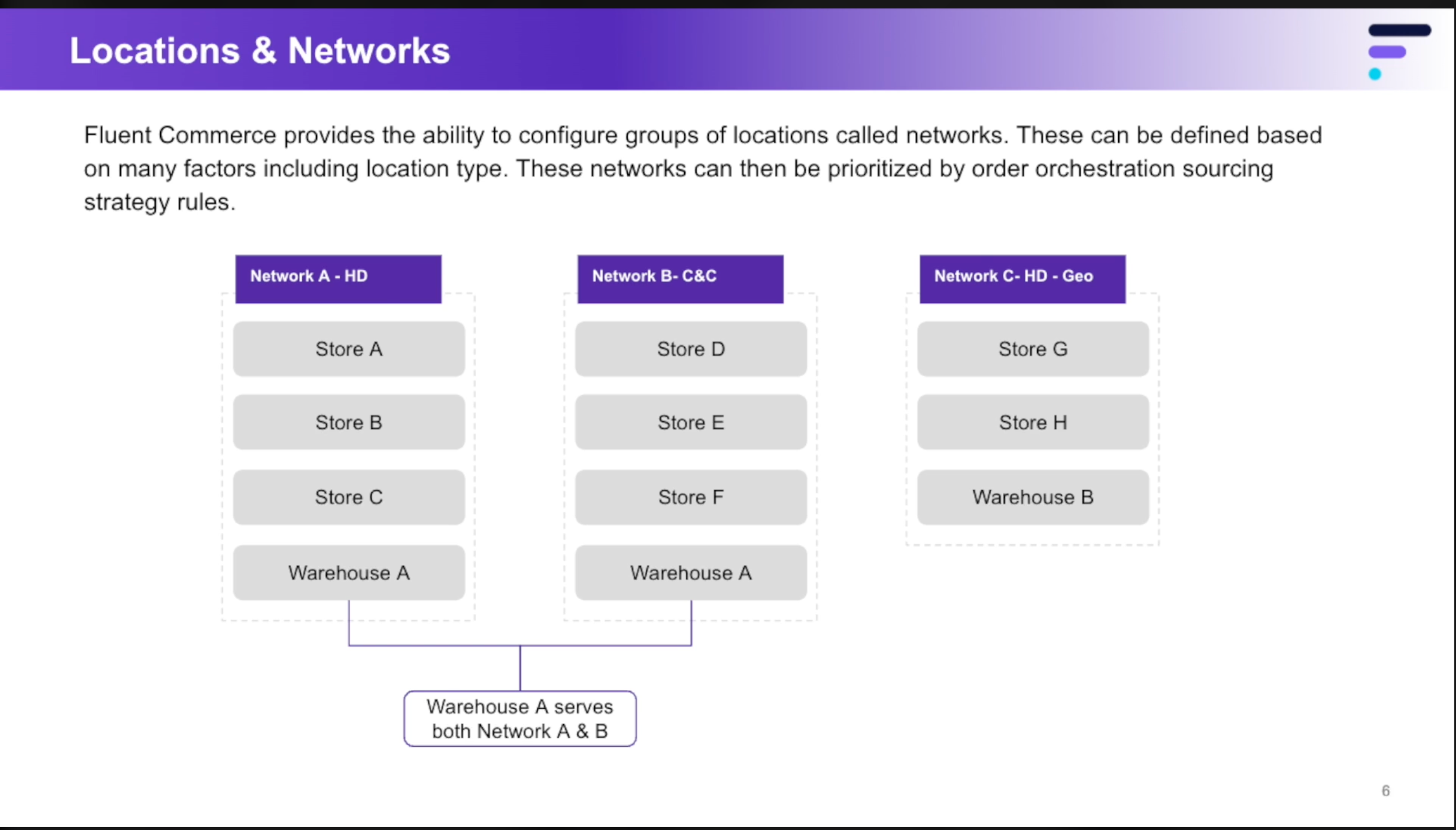
 Fluent Connect replaces rigid, custom code with adaptive connectivity through the following core features: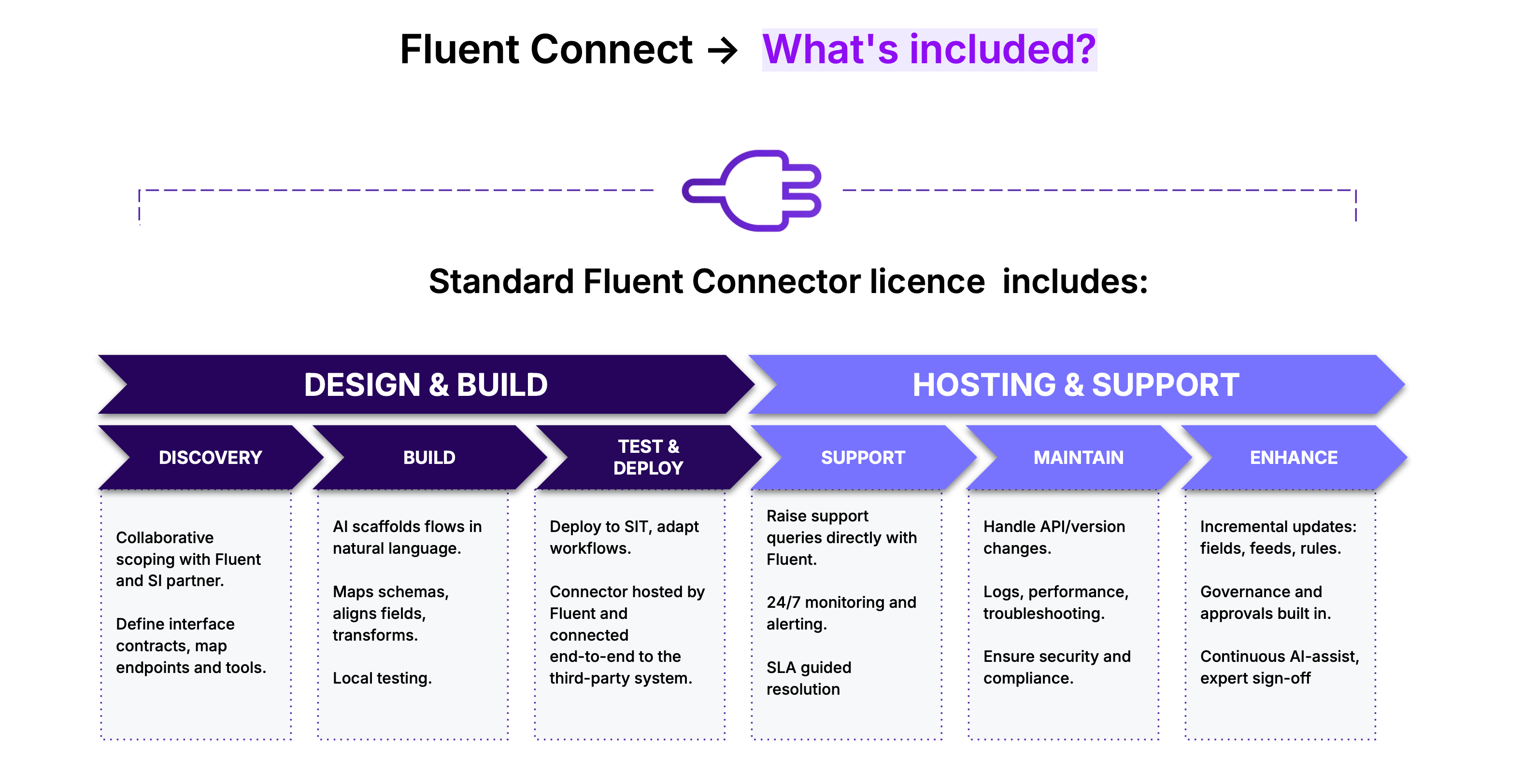
 Metrics available to be displayed with Fluent Analytics
  How the metrics are displayed
Copyright © 2024-2026 Fluent Retail Pty Ltd (trading as Fluent Commerce). Unless otherwise expressly stated in a current written agreement with Fluent Commerce or any of its affiliates or on any single page of the docs.fluentcommerce.com site, use of the materials on this site is strictly limited to viewing by individuals over 18 years old for legitimate commercially appropriate reasons; and any downloading, copying or other actions or uses of any kind or by any means of the materials on this site, including by artificial intelligence tools, is strictly prohibited. All other rights reserved.