
Delivery Date Range
Feature
Changed on:
29 June 2026
Overview
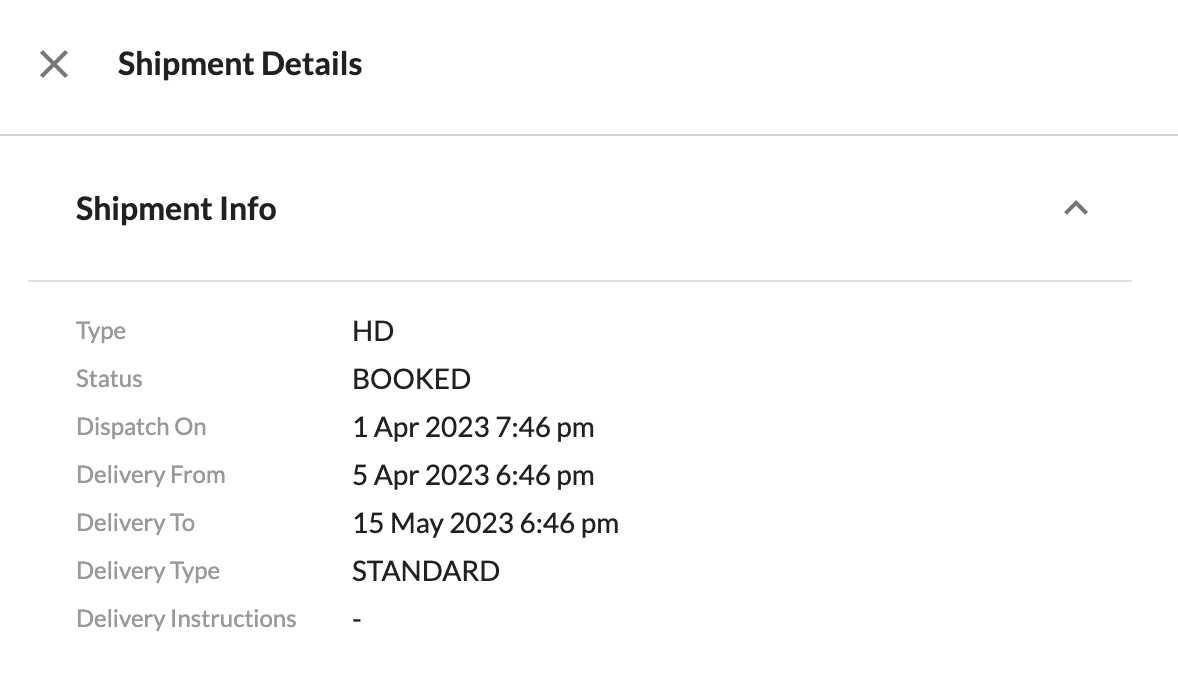
Empowers customers to request a single delivery timeframe for an entire order or specify unique delivery date ranges for individual line items. This flexibility optimizes order precision and enhances the post-purchase fulfillment experience.- Improved Customer Experience: Grants buyers total control over their logistical timelines, building long-term brand trust and loyalty.
- Lower Administrative Costs: Processing a single consolidated order with multiple delivery lines reduces credit card processing fees and minimizes invoice management labor compared to managing separate orders.
How it Works
Providing flexible scheduling options allows your commerce platform to accommodate complex logistics demands directly during the checkout journey. The platform manages delivery windows through two core capabilities.Order-Level Date Ranges
For standard fulfillment journeys, customers can select a single, overarching delivery date range that applies to every item within the transaction. This ensures the entire shipment arrives within a single consolidated timeframe.Line-Item Timeframe Specification
For advanced fulfillment needs, the platform allows buyers to break down a single order into multiple delivery timelines. Customers can assign distinct delivery date ranges to individual line items within the same checkout session, allowing separate products to arrive at different times based on immediate need or project schedules.Who is This Feature For?
- Commercial B2B Buyers and Contractors who need to align material arrivals with strict, multi-week project schedules.
- Multi-Item B2C Consumers who wish to coordinate gift shipments or household arrivals around travel schedules and specific availability windows.
What Problems Does it Solve?
- Eliminates Checkout Friction: Buyers no longer need to split their purchases into multiple independent transactions simply because they require items at different times, reducing cart abandonment.
- Reduces Operational Overhead: Consolidates procurement paths for multi-phase projects into a single master order record, minimizing customer service tracking inquiries.
- Prevents Delivery Site Congestion: Allows commercial clients to space out large product arrivals, ensuring warehouses or project sites only receive inventory when they have the physical capacity to handle it.
